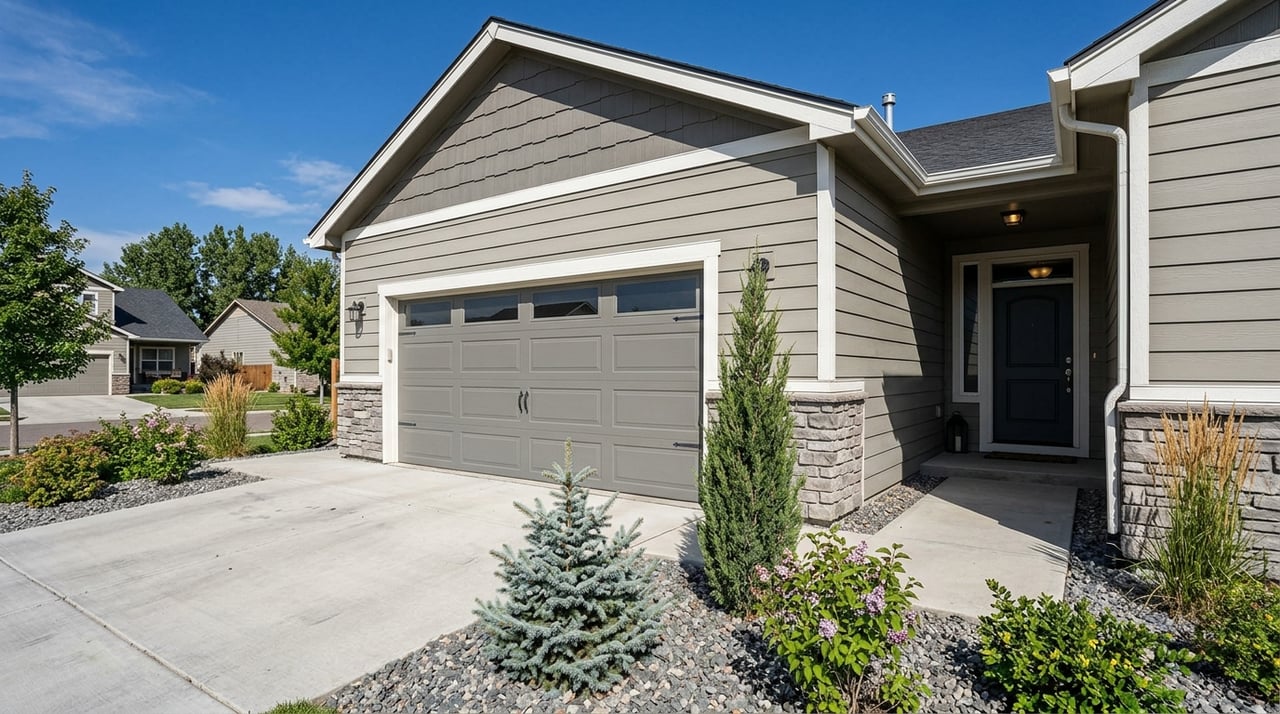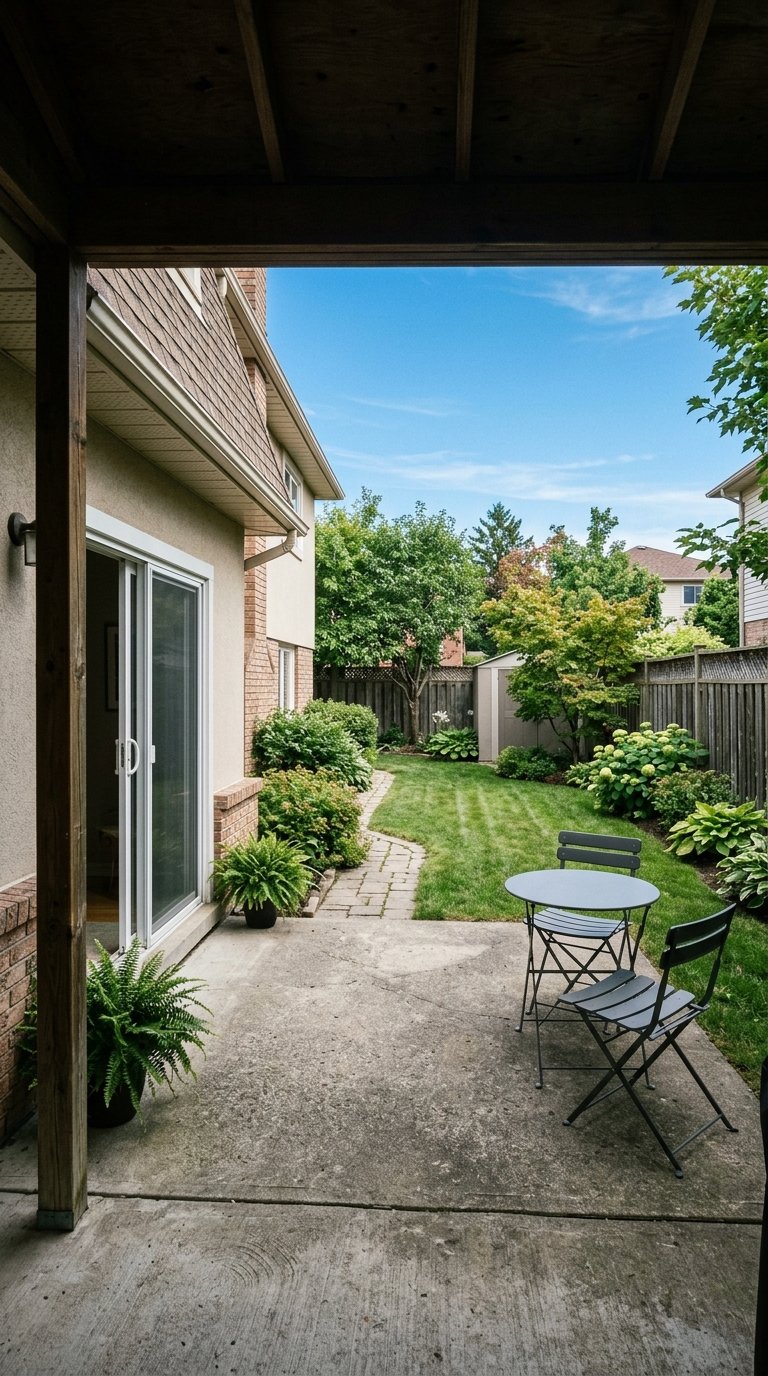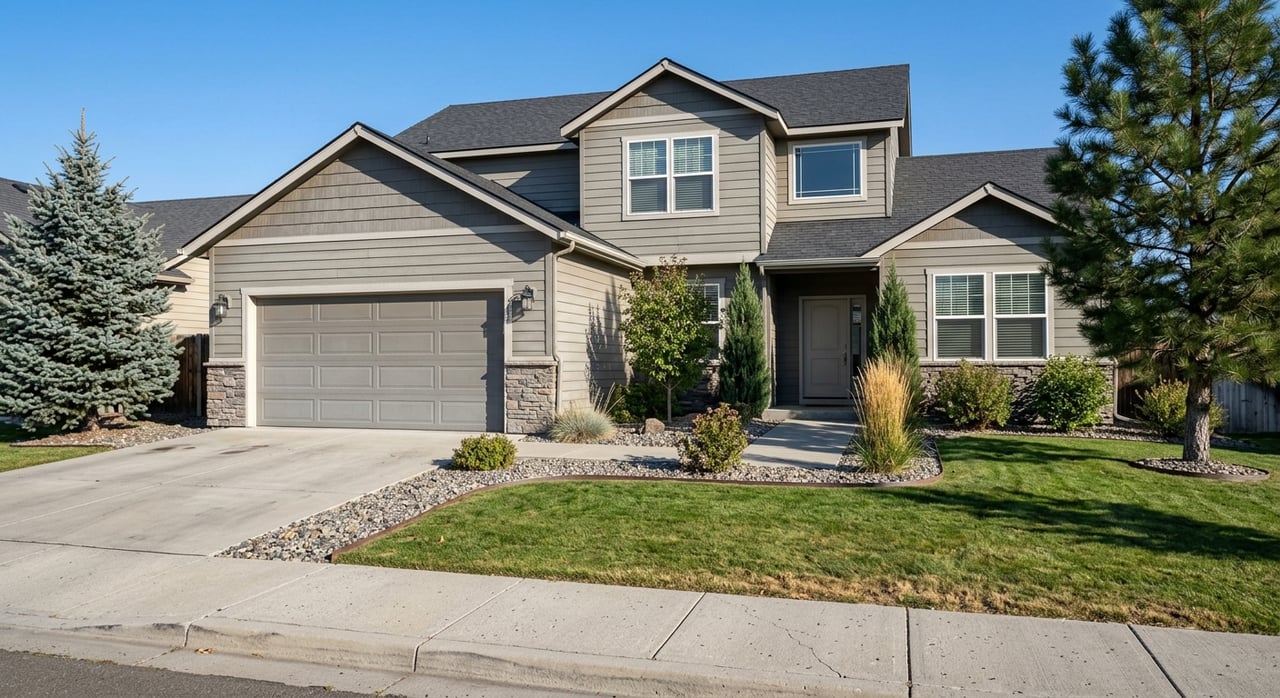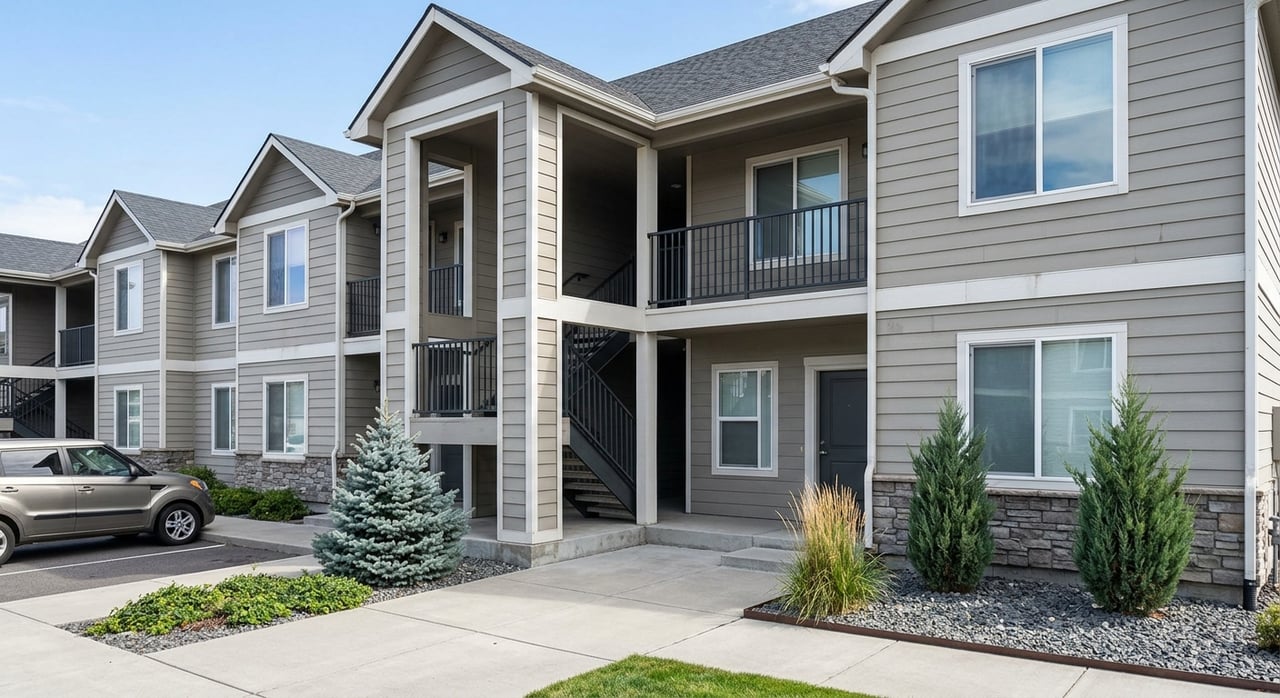
What sounds better to you right now: stepping out your front door into the center of Denver activity, or coming home to more space and a little more breathing room in the suburbs? If you are weighing a Denver condo against a suburban single-family home, you are not just comparing property types. You are choosing how you want your daily life to feel, what responsibilities you want to take on, and how much flexibility you may need in the next few years. Let’s dive in.
Start with lifestyle first
The biggest difference between a Denver condo and a suburban home is not simply size. It is how much of your day is built around centralized access versus how much you manage yourself.
According to the City and County of Denver’s downtown planning update, Downtown Denver is a central neighborhood and a major economic and cultural hub. The same report notes that downtown makes up just 1.8% of the city’s land area but contains 30% of Denver jobs, which helps explain why many buyers see a condo as a convenience-driven choice.
Nearby suburban communities tend to offer a different kind of appeal. Greenwood Village highlights parks, trails, and open space, Highlands Ranch emphasizes its open space and trail network, and Parker points to parks, recreation, trails, and walkable neighborhoods. If your ideal week includes yard space, more separation from neighbors, and easy access to outdoor recreation, a suburban home may fit more naturally.
Denver condo living: what you gain
A condo in Denver often works best when you want your routines to feel simpler and more connected. You may be able to keep errands, dining, entertainment, and work access closer together, which can reduce the amount of planning your day requires.
Denver also offers the most urban transportation mix in this comparison. RTD says its system includes 12 rail lines and 78 stations, and many stations have Park-n-Ride access. Downtown improvements also include bus-priority treatments, bike parking, and shared bike and scooter options, which support a more car-light lifestyle.
For many buyers, the biggest condo advantages include:
- Less exterior maintenance
- Shared upkeep of common areas
- More centralized access to jobs and services
- A lifestyle that may require less driving
That does not mean condo living is automatically easier in every way. It means some responsibilities shift from you to the association, while other tradeoffs come into focus.
Suburban homes: where space changes things
A suburban single-family home usually gives you more direct control over your property and more room to grow into. That can mean extra bedrooms, more storage, a yard, or simply more separation between your living space and your neighbors.
The surrounding Denver suburbs in this comparison also show a strong outdoor recreation identity. Greenwood Village reports about 40 miles of trails and more than 440 acres of parks, trails, and open spaces, Highlands Ranch manages 2,644 acres of open space and more than 70 miles of trail, and Parker supports parks, multi-use trails, bike lanes, and walkable neighborhoods.
If you are thinking beyond this year and asking how your home might function in three to five years, a suburban home can offer useful flexibility. More space can support changing work routines, hobbies, storage needs, or a larger household without requiring another move too soon.
Commute reality is more personal than you think
Many buyers assume a condo in Denver always means a shorter commute and a suburban home always means a longer one. The data suggest it is not that simple.
In the U.S. Census QuickFacts data, mean travel time to work is 24.9 minutes in Denver, 19.9 minutes in Greenwood Village, 24.2 minutes in Highlands Ranch, and 26.1 minutes in Parker. Those numbers show why it is smart to test your actual route rather than relying on a city-versus-suburb assumption.
If you commute regularly, think about:
- Where your office is today n- Whether your employer may change locations
- How often you work from home
- The routes you would use most often
- Whether you want transit options or prefer driving
A home that looks ideal on paper can feel very different once you map your real weekly routine.
Maintenance: convenience versus control
This is one of the clearest differences between a condo and a detached home. A condo can reduce your maintenance burden, but it also means living within a shared ownership structure.
Fannie Mae explains that condo fees typically cover building exteriors and common-area maintenance and may also include water, sewer, trash, recreation amenities, insurance, or reserves. If you would rather not handle exterior upkeep yourself, that setup can be a real advantage.
A detached home shifts those responsibilities back to you. Fannie Mae’s home maintenance guidance lists items such as gutter and vent cleaning, leak checks, air filter changes, smoke-detector batteries, and seasonal upkeep as regular homeowner tasks. In exchange, you have more direct say over the property and how it is maintained.
A simple way to frame it is this:
| If you prefer... | You may lean toward... |
|---|---|
| Fewer exterior chores | Condo |
| More control over repairs and upgrades | Suburban home |
| Shared maintenance structure | Condo |
| Handling upkeep on your own timeline | Suburban home |
HOA fees and rules matter more than many buyers expect
A condo purchase includes more than the unit itself. You are also buying into an association with monthly fees, governing documents, and financial health that can affect your ownership experience.
The Consumer Financial Protection Bureau notes that condo or HOA dues are usually paid separately from your mortgage payment. It also says these fees can range from a few hundred dollars a month to more than $1,000.
That is why it is important to look beyond the list price. A condo with a lower purchase price may still carry a higher monthly ownership cost once dues are added.
Fannie Mae also advises buyers to review CC&Rs and bylaws and understand whether the HOA requires approval for changes such as exterior painting, landscaping, or structural modifications. It also highlights reserve funds and special assessments as important items because association decisions can affect both monthly cost and future resale.
Long-term flexibility and resale fit
If you think you may move again, rent the property later, or sell within a few years, flexibility should be part of your decision from the start.
For condos, the association plays a major role in the resale story. Fannie Mae notes that lenders may review the project’s physical condition, financial stability, outstanding debts, lawsuits, inspections, reserve funds, and warrantability. In practical terms, that means the health of the HOA can influence financing options for future buyers.
For detached homes, long-term flexibility often comes from space and control. You typically have more freedom to make changes over time, subject to local rules and permits, and you are not relying on shared building governance in the same way.
Household data also point to different living patterns. Census QuickFacts show Denver with an owner-occupied housing rate of 48.8% and an average household size of 2.10. Greenwood Village, Highlands Ranch, and Parker all show higher owner-occupancy rates and larger average household sizes, which suggests suburban settings often align with buyers who expect to need more room over time.
Cost context around Denver and the suburbs
Housing costs vary widely across the metro area, and the city-versus-suburb comparison is not always straightforward. As a broad backdrop, Census QuickFacts lists median monthly owner costs with a mortgage at $2,466 in Denver, $4,000+ in Greenwood Village, $2,823 in Highlands Ranch, and $2,773 in Parker.
These figures are not condo-specific, but they do help show the cost environment around Denver and nearby suburbs. The key is to compare your likely all-in monthly cost, including mortgage, taxes, insurance, HOA dues if applicable, utilities, and expected maintenance.
How to choose the better fit
If you are stuck between the two, try asking yourself a few practical questions instead of chasing a perfect answer.
Choose a Denver condo if you value:
- Central access to jobs, dining, and services
- A more car-light routine
- Fewer exterior maintenance tasks
- Living with shared amenities and shared rules
Choose a suburban home if you value:
- More interior and outdoor space
- More privacy
- More control over the property
- A lifestyle tied more closely to trails, parks, and self-managed homeownership
The right choice depends on how stable your work routine, household needs, and maintenance tolerance are likely to be over the next few years. A home should support the life you are actually living, not just the version that looks best in a listing photo.
If you want help sorting through the tradeoffs between Denver condos and suburban homes, a local strategy conversation can save you time and second-guessing. Ken Posen - Compass can help you compare options, pressure-test your priorities, and move forward with a plan that fits your lifestyle.
FAQs
What is the biggest lifestyle difference between a Denver condo and a suburban home?
- A Denver condo usually supports more centralized access and less exterior upkeep, while a suburban home usually offers more space, privacy, and direct control over the property.
How do Denver condo HOA fees affect monthly housing costs?
- Condo HOA fees are usually separate from the mortgage, and the CFPB says they can range from a few hundred dollars per month to more than $1,000, so you should factor them into your full monthly budget.
Are Denver suburb commutes always longer than living in the city?
- No. Census data show commute times vary by location, with mean travel times of 24.9 minutes in Denver, 19.9 in Greenwood Village, 24.2 in Highlands Ranch, and 26.1 in Parker.
What maintenance responsibilities come with a Denver condo?
- In a condo, the association typically handles common areas and many exterior elements, while you are generally responsible for the interior of your unit and any rules or costs tied to the HOA.
Why do HOA financials matter when buying a Denver condo?
- HOA financial health can affect monthly costs, special assessments, financing, and resale because lenders may review reserve funds, project condition, and other association details.
Who is a suburban home in the Denver area best suited for?
- A suburban home may be a better fit if you expect to need more space over time, want more privacy, or prefer direct control over maintenance, repairs, and future changes to the property.