If you want a south-metro community that feels close to Denver but still gives you room to breathe, Castle Pines probably ends up on your shortlist. You may be wondering whether it lives up to the image of trails, scenic views, and polished neighborhoods, or if daily life feels less convenient than it looks on paper. The truth is that living in Castle Pines comes with a strong outdoor lifestyle, a safe and well-kept feel, and a few practical tradeoffs around shopping, dining, and growth. Let’s dive in.
Castle Pines at a glance
Castle Pines is a compact city in Douglas County that has been growing quickly. Census QuickFacts estimates the 2025 population at 15,583, which is up 41.3% from 2020, all within about 9.59 square miles.
Even with that growth, resident sentiment is notably positive. In the city’s 2025 community survey, 94% of respondents rated Castle Pines as an excellent or good place to live, 91% said they feel safe with very little crime, 88% said it is a good place to raise a family, and 85% said they have pride in living there.
That tells you a lot about the day-to-day experience. Castle Pines is not trying to be a busy urban center. It tends to appeal to people who want a quieter residential setting with access to open space, commuter routes, and newer infrastructure.
What daily life feels like
The overall feel of Castle Pines is residential, orderly, and outdoors-oriented. The city’s planning documents describe a community that values scenic beauty, connected trails, open space, and quality parks, and that shows up in how the city is laid out.
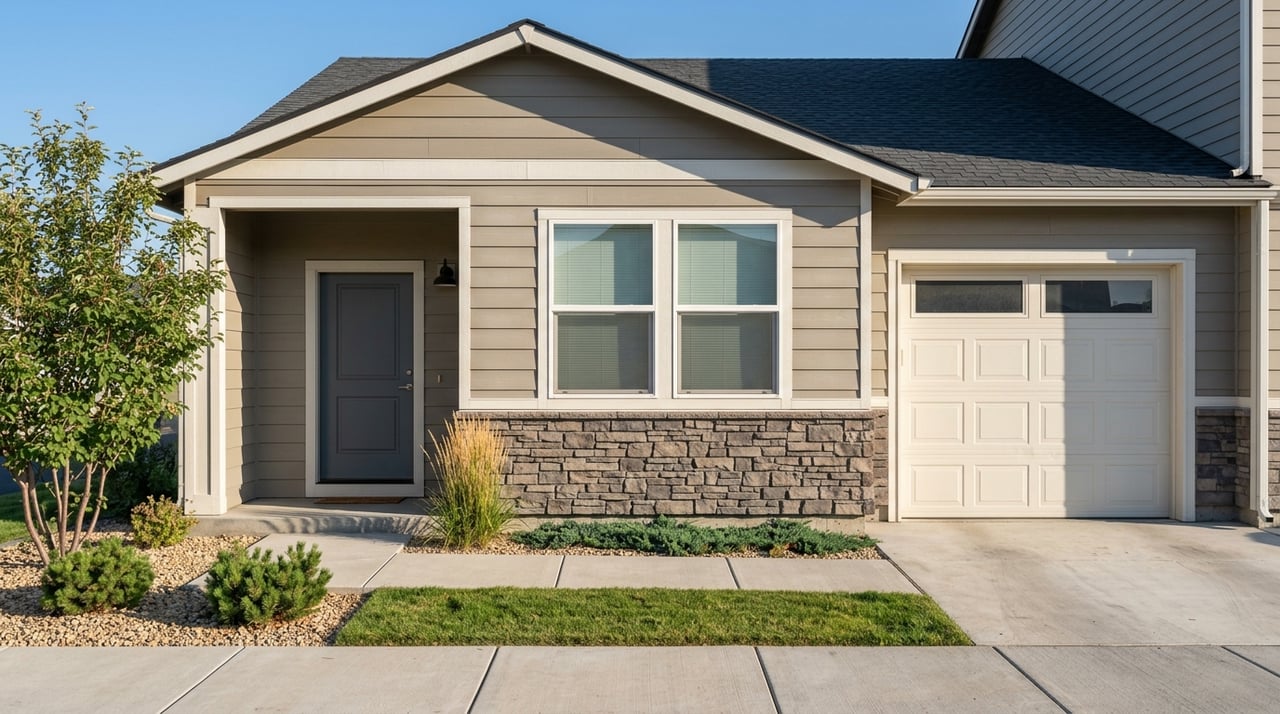
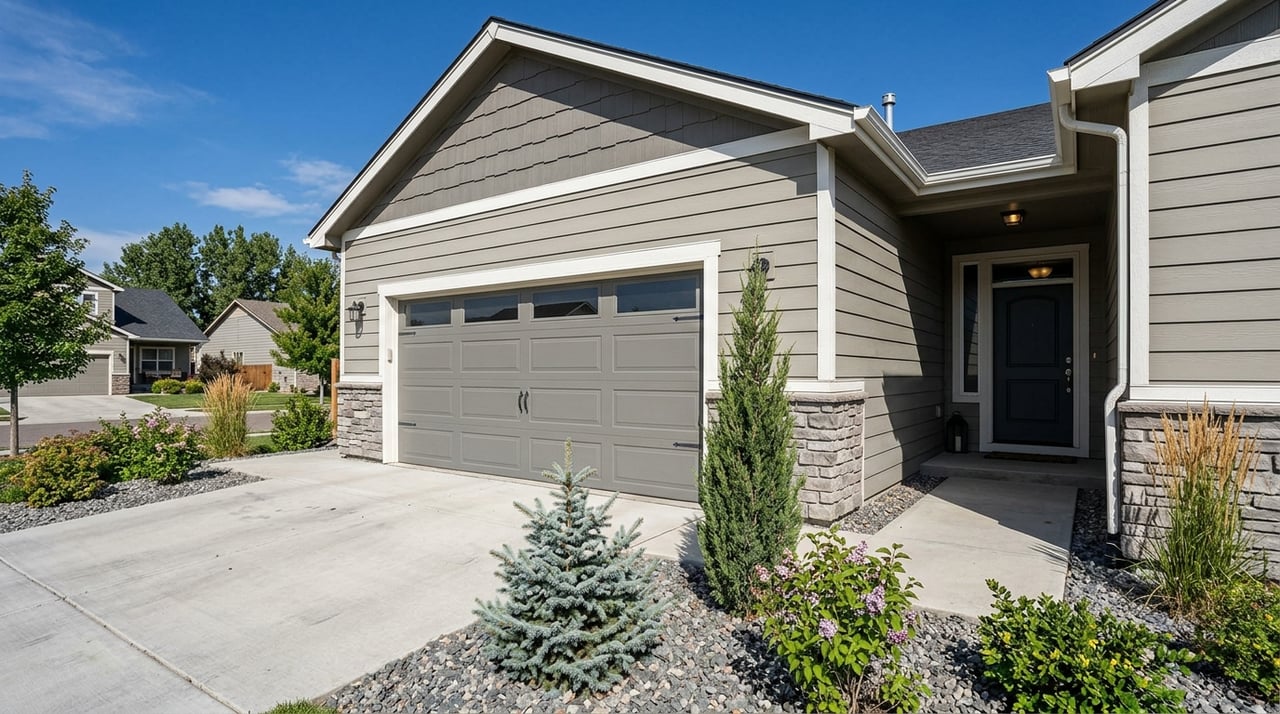
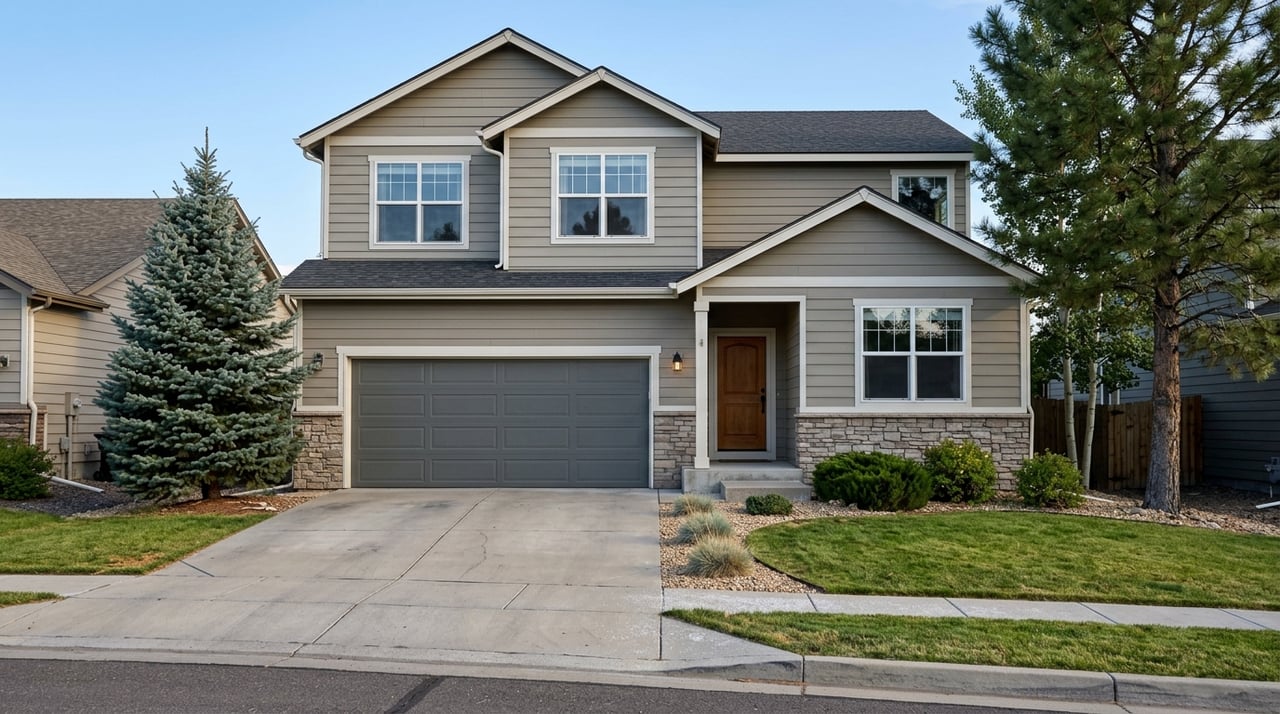
You are likely to notice that many homes, roads, and neighborhood areas feel relatively modern. The city says most existing housing and infrastructure were built within the last 25 years, and low-density residential development remains the dominant land use.
For many buyers, that creates an easy rhythm for daily life. You get neighborhoods that feel established but not dated, plus a setting that leans more toward walking trails and park time than dense mixed-use activity.
Outdoor living is a major perk
One of the clearest reasons people choose Castle Pines is the amount of outdoor access built into everyday life. The city says it manages nearly 60 miles of trails, 122 acres of parks, and more than 1,850 acres of open space.
That outdoor focus is not just marketing language. It shapes how many residents spend their mornings, weekends, and evenings, whether that means walking neighborhood trails, heading to a park with kids, or fitting in a workout outside.
The city is also planning for even more. Its comprehensive plan includes future trail-gap connections, 50 miles of new trails, 190 acres of public parkland, a new central park along Canyonside Boulevard, a wildlife preserve overlooking the reservoir, and an 18-hole disc golf course.
Parks are built for real use
Castle Pines parks are designed for active, everyday use rather than just visual green space. Elk Ridge Park includes reservable pavilions, a large turf field, a playground, exercise equipment, restrooms, a sandbox, and a seasonal splash pad.
That matters if you are thinking about how a neighborhood works in real life. A park that supports playdates, pickup games, birthday gatherings, and quick after-dinner outings tends to become part of your weekly routine.
The city is also moving forward with improvements at Coyote Ridge Park. Phase 1 includes more accessible walk connections, new shade structures and picnic tables, and an updated inclusive play area.
Trails and reservoir access add variety
If you like having options beyond neighborhood sidewalks, Castle Pines delivers. In addition to local trail networks, nearby Rueter-Hess Reservoir offers paddleboarding, kayaking, canoeing, windsurfing, fishing, and the Incline/Rosie Rueter trail.
The incline includes 132 steps and connects to a loop of about a mile, which gives you a simple way to add some elevation and variety to your routine. For longer regional use, Douglas County’s Cherry Creek Regional Trail is planned to connect Cherry Creek State Park to Castlewood Canyon State Park as part of the Colorado Front Range Trail system.
Wildlife is part of the setting
Living in Castle Pines also means living close to wildlife. The city notes a thriving wildlife population that includes deer, elk, bears, bobcats, mountain lions, snakes, and coyotes.
For some people, that adds to the appeal of the area’s natural feel. It also means you should expect a more nature-adjacent lifestyle than you would in a denser suburban setting.
Golf is part of the lifestyle
Golf has a visible presence in and around Castle Pines. The city describes The Ridge at Castle Pines North as a premier public course and one of Colorado’s most prestigious upscale public golf courses.
There are also nearby private club options. The Country Club at Castle Pines offers golf along with dining, pool, fitness, and racquet-sports amenities, while Castle Pines Golf Club is a private Jack Nicklaus-designed club with access limited to members and their guests.
If golf is part of how you spend your free time, Castle Pines gives you more than a casual option or two. Even if you do not play, the golf presence helps shape the area’s polished, recreation-focused identity.
Dining and shopping are the main tradeoff
This is where the Castle Pines experience gets more nuanced. You do have local dining options through neighborhood-scale businesses listed by the city, including Las Fajitas Mexican Restaurant, Tandoori Flames, Sushi & Bowls, The Exchange Coffee House, Starbucks, and The Bundt Shoppe.
Still, many residents want more. The city’s 2025 community survey found that one of the biggest concerns is too much residential development without enough supporting commercial amenities, along with worries about loss of open space and small-town feel.
That means your daily routine may involve leaving Castle Pines for broader shopping and dining. The city points residents to Park Meadows Retail Resort, The Village at Castle Pines, and The Outlets at Castle Rock for a wider range of stores and restaurants.
For some buyers, that is no big deal. For others, especially if you want lots of walkable retail and restaurant variety close to home, it is an important reality check.
Commuting and getting around
Castle Pines works best for many people because of its access to I-25. The city’s transportation master plan says many residents rely on I-25 for commuting, and the community has two direct I-25 access points at Castle Pines Parkway and Happy Canyon Road.
If you work in the Denver Tech Center, other parts of the southeast metro, or regularly travel north and south, that access can be a strong advantage. It gives you a residential setting that feels tucked away without being cut off.
At the same time, transportation planning in Castle Pines is still focused on improving connections. The city’s comprehensive plan says residents want better trail and bike or pedestrian links, especially across I-25.
Housing in Castle Pines
The housing profile in Castle Pines leans strongly owner-occupied. Census QuickFacts shows an owner-occupied housing rate of 80.7%, a median owner-occupied home value of $895,500, a median gross rent of $2,211, and a median household income of $191,229.
Those numbers suggest a market that is established, higher-priced, and largely made up of primary homeowners. If you are buying here, you should expect Castle Pines to be more of a move-up or long-term lifestyle market than an entry-level bargain market.
That said, the city is planning for more housing variety over time. Its comprehensive plan says future growth should add new housing types near commercial centers while preserving neighborhood character.
What future growth may look like
A clear example is Castle Pines Town Center. This 354-acre planned development includes parks, open space, trails, schools, civic and community uses, commercial and retail space, and up to 475 single-family residences plus 200 multifamily residences.
That matters if you are trying to understand where Castle Pines may be heading. The city appears to be working toward a more balanced mix of housing and services, while residents continue to voice the importance of keeping open space and community character intact.
Who tends to like living here most
Castle Pines often makes sense for a few distinct buyer groups. If you are relocating and want a clean, well-kept community with quick I-25 access, the location can be very appealing.
If you value trails, parks, golf, and a quieter residential feel, the lifestyle fit is often strong. If you are looking for more space, newer housing stock, and a community where many residents report feeling safe and positive about where they live, Castle Pines checks a lot of boxes.
It may be less ideal if your top priority is having a large mix of restaurants, retail, and everyday services right inside city limits. In that case, you will want to weigh the lifestyle benefits against the extra driving that may become part of your routine.
The bottom line on living in Castle Pines
Living in Castle Pines is really about choosing balance. You get scenic surroundings, strong outdoor access, a residential setting with a high owner-occupancy rate, and a community that residents rate very positively overall.
In exchange, you may give up some convenience when it comes to shopping, dining, and a more fully built-out commercial core. For many buyers, that tradeoff is worth it because the pace, appearance, and lifestyle of Castle Pines feel comfortable from day one.
If you are weighing Castle Pines against other southeast Denver suburbs, it helps to compare not just home prices, but also how you want your everyday life to feel. If you want help figuring out whether Castle Pines matches your commute, budget, and lifestyle goals, Ken Posen - Compass can help you make a confident move.
FAQs
What is daily life like in Castle Pines, Colorado?
- Daily life in Castle Pines tends to feel quiet, residential, and outdoors-focused, with strong access to trails, parks, open space, and I-25 for commuting.
What are the benefits of living in Castle Pines?
- Key benefits include nearly 60 miles of trails, 122 acres of parks, more than 1,850 acres of open space, a strong sense of safety in the city survey, and a well-kept suburban feel.
What are the drawbacks of living in Castle Pines?
- The main drawback is that many residents want more restaurants, retail, and commercial services inside the city, so you may drive to nearby areas for more options.
Is Castle Pines good for commuters?
- Castle Pines can work well for commuters because many residents use I-25, and the city has two direct access points at Castle Pines Parkway and Happy Canyon Road.
What is the housing market like in Castle Pines?
- Castle Pines has a largely owner-occupied housing base, with Census QuickFacts reporting an 80.7% owner-occupied rate and a median owner-occupied home value of $895,500.
Does Castle Pines have parks and trails?
- Yes, Castle Pines has extensive outdoor amenities, including nearly 60 miles of trails, 122 acres of parks, and more than 1,850 acres of open space, with more trail and park improvements planned.
Is Castle Pines growing?
- Yes, Castle Pines is growing quickly, with a 2025 population estimate of 15,583, up 41.3% from 2020, and additional mixed-use development planned in areas like Castle Pines Town Center.