Wondering why one part of Littleton feels full of porches and brick charm while another offers ramblers, cul-de-sacs, or newer attached homes with a more modern look? If you are buying or selling in Littleton, understanding those differences can help you make smarter decisions about fit, upkeep, pricing, and resale. From historic homes near downtown to postwar ranches and newer pedestrian-oriented builds, here is how Littleton’s home styles evolved and what that means for you. Let’s dive in.
Why Littleton Has So Many Home Styles
Littleton has a layered housing story. The city has 21,606 housing units, a 61.2% owner-occupied rate, and a median owner-occupied home value of $630,600, according to Census QuickFacts. That kind of long-term ownership and reinvestment often supports a mix of housing eras instead of one dominant style.
The city’s history also stretches back to settlement in the 1860s, which helps explain why you can move from older historic blocks to postwar subdivisions and then to newer infill or attached housing within a relatively compact area. In practical terms, Littleton gives you more than one version of suburban living.
Another key reason is planning. The City of Littleton treats historic preservation as part of its active planning framework, especially in areas like the Downtown Littleton Historic District. Historic districts are meant to preserve character, but they do not stop new construction, which helps old and new homes exist side by side.
Historic Littleton Homes
If you love architectural detail, older Littleton homes may be the first style that catches your eye. The city’s historic buildings survey shows that older residential areas include many Craftsman and Bungalow homes, along with smaller numbers of Dutch Colonial Revival, English or Norman Cottage, Foursquare, Late Victorian, and terrace-type dwellings.
That variety matters because “historic” in Littleton does not mean one uniform look. Instead, you will often see different rooflines, materials, porch styles, and lot patterns from one block to the next.
Craftsman And Bungalow Features
Craftsman and Bungalow homes are among the most common historic styles in Littleton. Common features include side-gable roofs, overhanging eaves, exposed rafters, shaped brackets, broad porches, and brick or stucco exteriors.
For buyers, these homes often stand out for character and curb appeal. For sellers, those same details can be part of the home’s appeal, especially when they have been maintained with care.
Other Historic Styles You May See
Littleton’s older neighborhoods also include several less common but recognizable styles. Dutch Colonial Revival homes may feature gambrel roofs, front dormers, and symmetrical fronts. Foursquare homes often have a boxy shape, hipped roofs, and porches with classical columns.
You may also spot Late Victorian homes with red brick, decorative shingles, and detailed trim. English or Norman Cottage homes tend to show steep gables, flared eaves, and arched openings. Terrace-type dwellings are more linear, often with brick construction, flat roofs, and a porch for each unit.
Older Streets And Lot Patterns
Historic homes in Littleton are also shaped by their surroundings. Early subdivisions such as Windermere Park used curving streets, and some early additions repeated lot sizes and layouts from earlier plats.
That is one reason older parts of Littleton can feel tighter, less uniform, and more irregular than later suburban neighborhoods. If you are comparing locations, the block layout may affect parking, yard shape, privacy, and how the neighborhood feels day to day.
What Buyers And Sellers Should Expect
Historic homes often come with more exterior detail, including porches, wood trim, masonry, and original windows or doors. That can mean more repair work and more careful replacement decisions than you would typically expect with a simpler ranch-style home.
If a property is designated, exterior changes may also be subject to city review. For sellers, that is important when planning pre-listing improvements. For buyers, it is worth understanding before you budget for future updates.
Mid-Century And Postwar Littleton Homes
If historic homes feel a little too intricate, Littleton’s mid-century and postwar housing may offer a different kind of appeal. The city survey says postwar suburban development began in 1946, and the largest single residential development within city limits was built to provide reasonably priced housing for veterans.
These homes were typically Modern or Ranch style dwellings. They leaned into one-story living, simpler exteriors, and minimal ornamentation, which still appeals to many buyers today.
Why Ranch Homes Are So Common
The 1950s were a major growth period in Littleton. The city survey says 98 subdivisions were platted in that decade, with features like curvilinear streets, cul-de-sacs, and larger suburban lots.
That development pattern is a big reason many mid-century Littleton neighborhoods feel more open and suburban than the older blocks near downtown. If you want a more spread-out street pattern and a straightforward floor plan, this era may be worth a close look.
Mid-Century Modern Pockets
Littleton is not only about ranches. Arapaho Hills is one of the clearest local examples of mid-century modern design, with 56 modern homes built from 1955 to 1964 that reflect Usonian and International design styles.
The city also highlights Littleton Boulevard as a “Mid Mod Mile,” noting the corridor’s substantial growth between 1950 and 1980 and the significance of its mid-century buildings. That tells you this era is not hidden in Littleton. It is a visible part of the city’s identity.
Maintenance In Mid-Century Homes
Many mid-century homes feel simpler on the outside than older bungalows or Victorians because they have less trim and fewer decorative elements. That can make exterior upkeep feel more manageable.
At the same time, buyers often pay closer attention to windows, insulation, roofing, and original mechanical systems. So while the style may look simpler, the inspection and update strategy still matters.
New-Build And Newer-Style Littleton Homes
Newer housing in Littleton often reflects a different set of priorities than older homes. Instead of focusing mainly on private front yards and detached patterns, recent planning documents show more emphasis on compact layouts, walkability, and shared-site design.
That shift is important if you are deciding between charm, lot size, convenience, and lower-maintenance living.
Attached Homes And Shared-Site Design
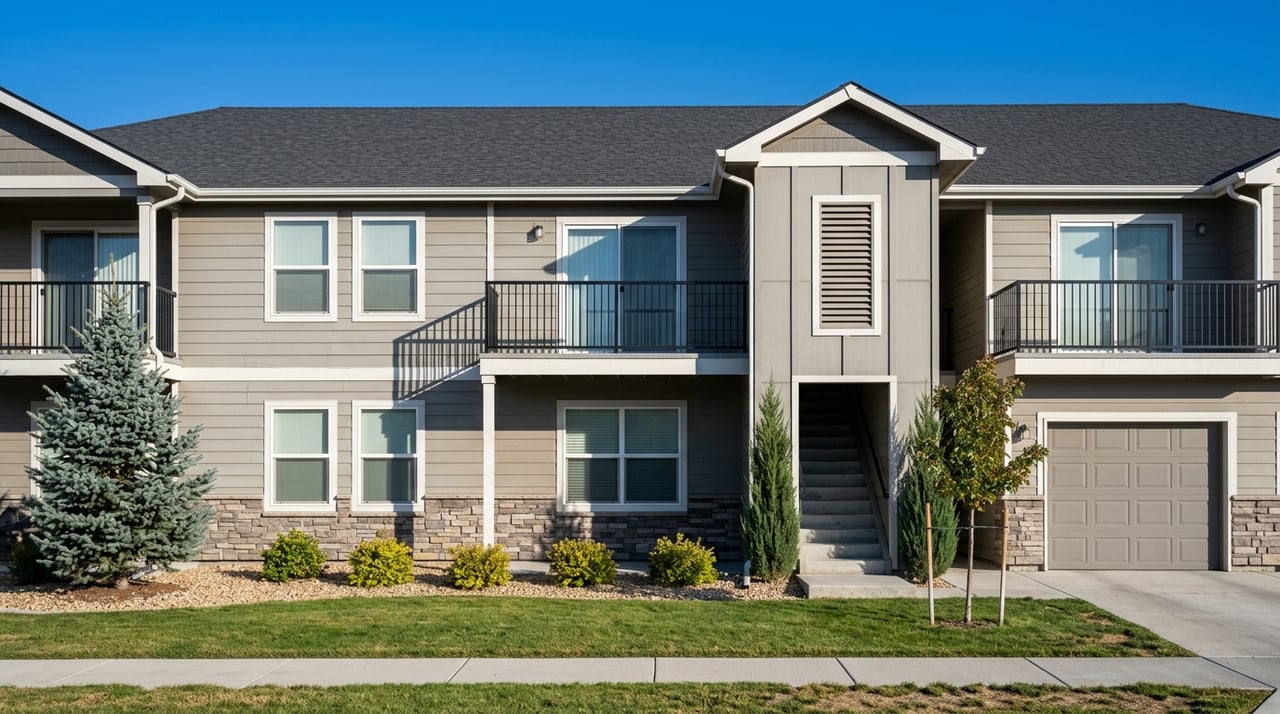
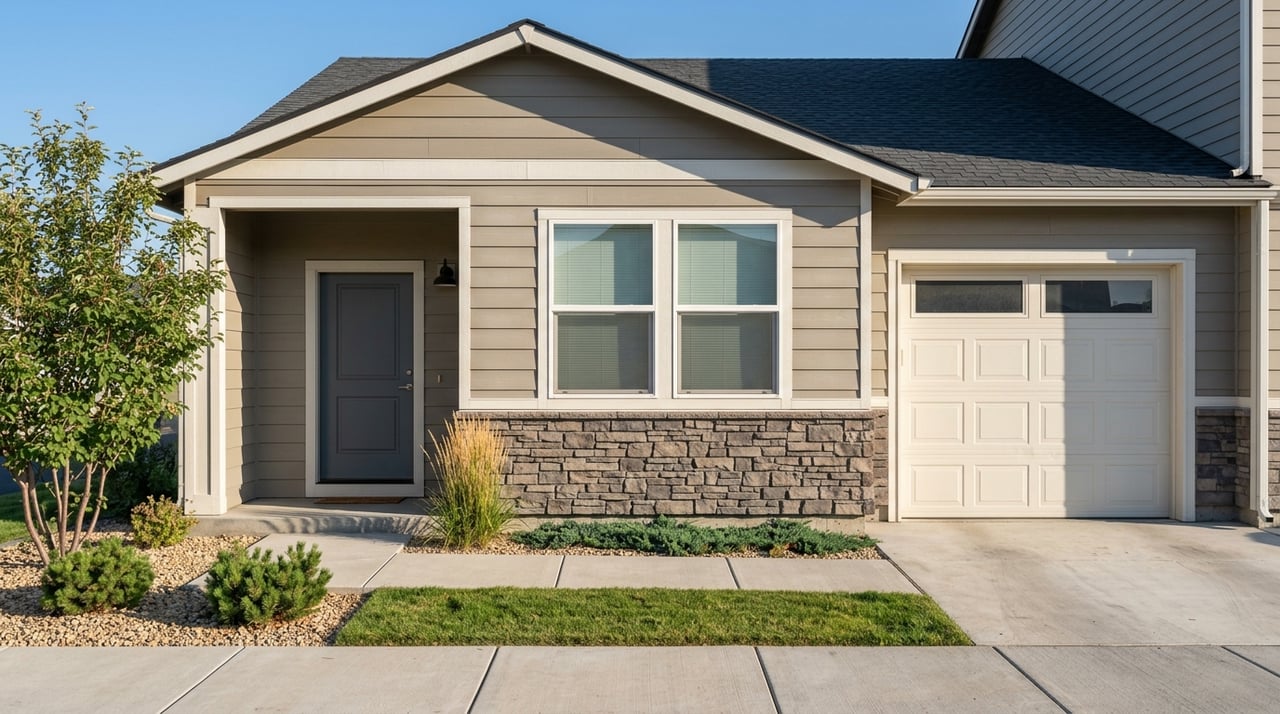
In Parkvue, the city describes a single-family attached site plan that can include stacked flats, row houses, triplexes, courtyard housing, and townhomes. The design guidelines emphasize front porches and stoops, street-facing units, alley-loaded garages, continuous streets and alleys, and shared open space.
For buyers, that often means a home that feels connected to the street rather than set back behind a large driveway or front yard. For sellers, it means the neighborhood look and site layout can be a major part of market appeal.
Modern Agrarian Design At RiverPark
RiverPark uses a related but distinct design approach. The city’s design standards call for a Modern Agrarian theme influenced by ranch, agrarian, prairie, and western industrial forms.
Materials may include brick, stone, stucco, board-and-batten, cedar, reclaimed wood, heavy timber, metal, board-formed concrete, and other masonry products. The standards also call for at least three materials or colors on each facade, which helps create visual variety.
What Newer Homes Prioritize
These newer communities often push garages and service areas away from the main street view. They also encourage internal walkways, pedestrian circulation, shared open space, drought-tolerant landscaping, and reduced turf.
That means the biggest difference is not always square footage. Often, it is how the home sits on the lot, how outdoor space is shared, and how the streetscape is designed.
How To Compare Littleton Home Styles
When you compare home styles in Littleton, it helps to think beyond appearance. Each era tends to offer a different balance of layout, maintenance, lot use, and neighborhood pattern.
Here is a simple way to frame it:
- Historic homes: More character, more exterior detail, and potentially more review for changes on designated properties.
- Postwar and mid-century homes: Simpler exteriors, practical floor plans, and more suburban street layouts.
- Newer attached or planned homes: Efficient site design, shared open space, pedestrian-oriented layouts, and design standards that shape the community look.
The right fit depends on how you live. If you want a front porch and older architecture, one area may stand out. If you want one-story function or a newer low-maintenance setup, a different part of Littleton may make more sense.
What This Means For Buyers And Sellers
For buyers, understanding Littleton’s home styles can help you narrow your search faster. You can focus not only on price and size, but also on upkeep expectations, street patterns, and the kind of setting that fits your lifestyle.
For sellers, style context helps with positioning. A historic home may need marketing that highlights architectural detail and preservation-friendly updates, while a ranch may appeal through function and lot layout. A newer attached home may stand out for efficiency, design consistency, and shared amenities.
If you are getting ready to sell, thoughtful preparation matters too. The right updates, presentation, and pricing strategy can vary a lot depending on whether your home is historic, mid-century, or newer construction.
Littleton gives you a rare mix of home eras in one city, and that is part of what makes the market so interesting. If you want help understanding where your home fits or which style best matches your goals, Ken Posen - Compass can help you make a confident next move.
FAQs
What historic home styles can you find in Littleton, Colorado?
- Littleton’s historic areas include Craftsman and Bungalow homes, plus Dutch Colonial Revival, Foursquare, Late Victorian, English or Norman Cottage, and terrace-type dwellings.
What defines mid-century homes in Littleton, Colorado?
- Many mid-century Littleton homes are ranch or modern-style properties with one-story layouts, simpler exteriors, and subdivision patterns shaped by 1950s growth.
What are newer home styles like in Littleton, Colorado?
- Newer Littleton homes often include attached housing such as townhomes, row houses, stacked flats, and courtyard-style layouts with pedestrian-oriented design and shared open space.
Are there design rules for historic homes in Littleton, Colorado?
- Yes. The City of Littleton says demolition and exterior alterations on designated historic properties are reviewed, even though historic districts do not prevent new construction.
How should you choose between historic, ranch, and newer homes in Littleton, Colorado?
- Compare them based on maintenance needs, layout preferences, lot design, street pattern, and how much character or efficiency you want in your next home.