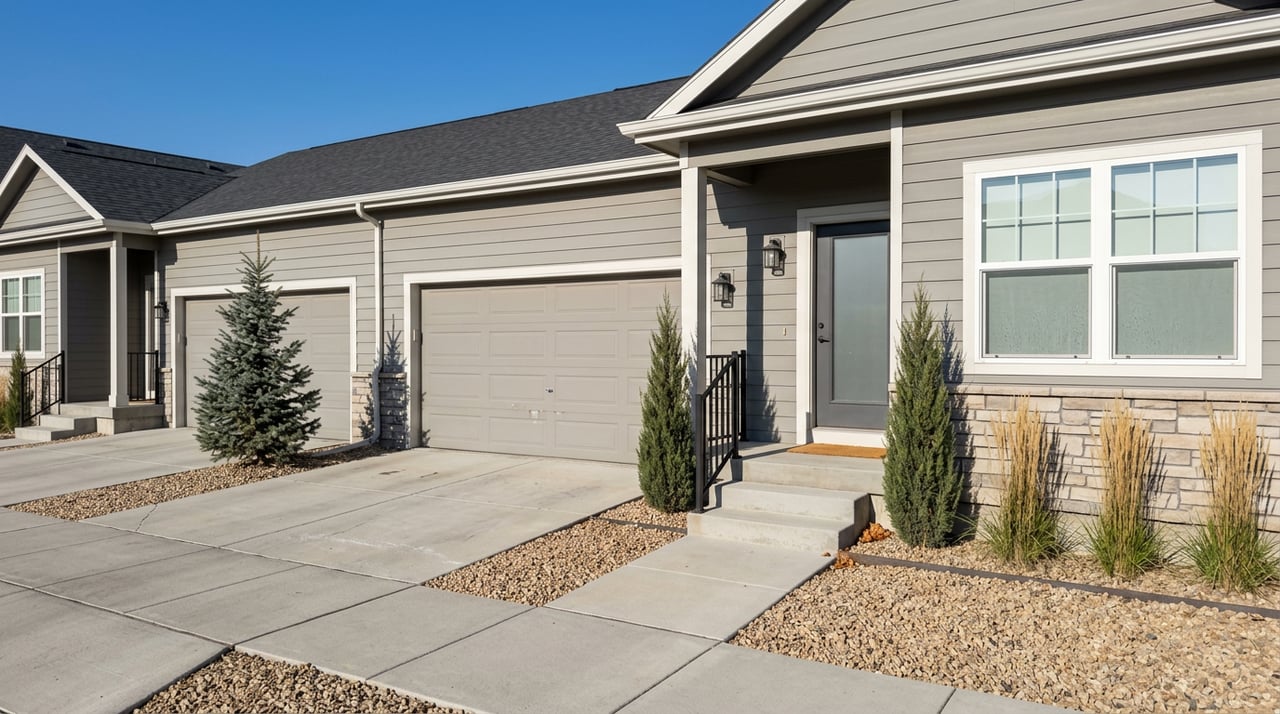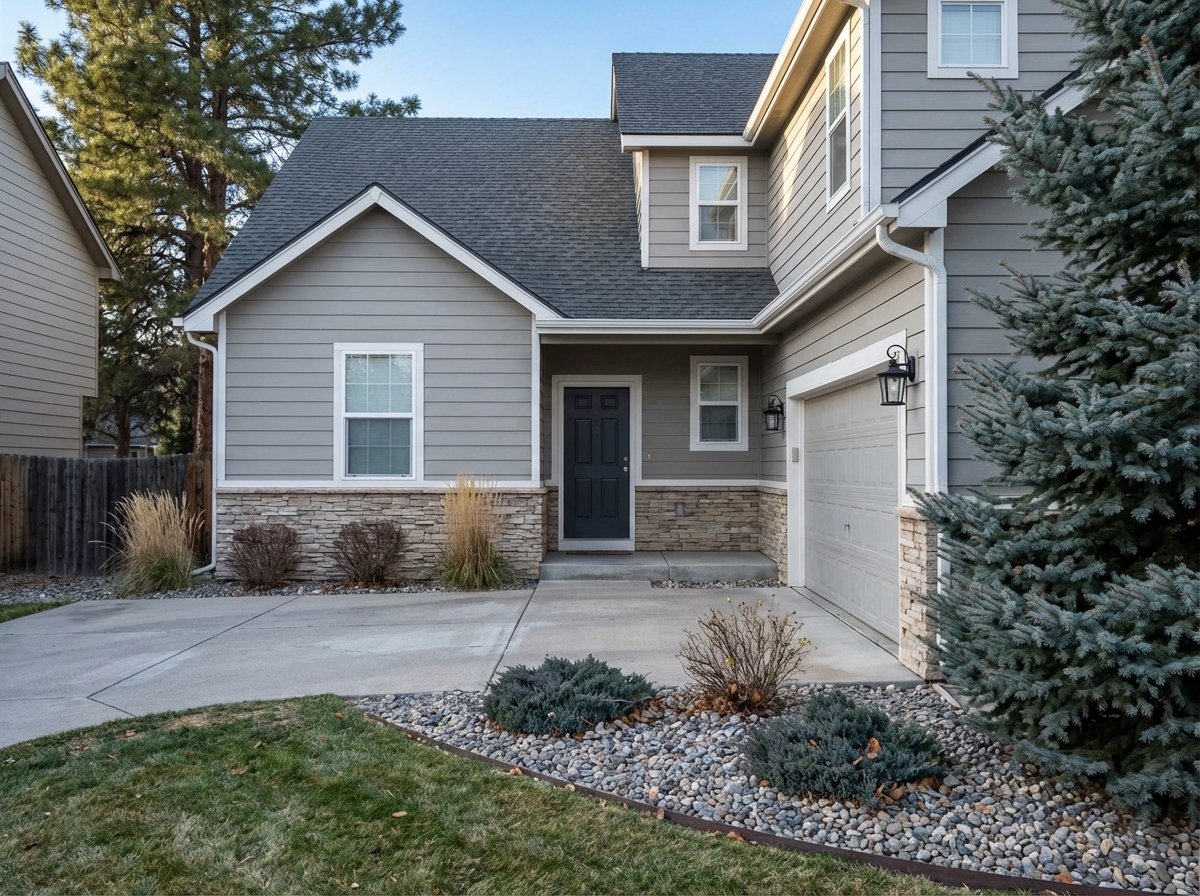
Thinking about buying in Castle Rock and torn between a brand-new build and a resale home? You are not alone. Both paths can work well here, but the costs, timelines, and protections are different. In this guide, you will learn how new construction and resale compare on total cost, contracts, timelines, and warranties, plus where a trusted local agent adds real value. Let’s dive in.
Castle Rock market snapshot
Castle Rock is a fast-growing suburban market with a mix of master-planned builder communities and established neighborhoods. That means you will often choose between homes in active phases of new developments and resale homes in mature areas. New-builds move through town planning, permitting, and utility approvals that can impact timing and fees. Many communities include HOAs with CC&Rs, and new neighborhoods may add one-time initiation or transfer fees.
Total cost: new vs resale
When you compare cost, look beyond the sticker price. Consider upgrades, fees, maintenance, taxes, and risk.
Purchase price and negotiation
- New construction pricing starts with a base model, plus lot premiums and upgrades. Builder incentives vary with the market and company policies.
- Resale pricing reflects comparable sales and market demand. You often negotiate around inspection findings, contingencies, and timing.
Upgrades and allowances
- New builds usually exclude many finish upgrades at the base price. Options like kitchen packages, flooring, and outdoor spaces can add significant cost.
- Resale homes include existing finishes in the sale price, though you may plan renovations after closing.
Closing costs and extra fees
- New construction closings can include builder-specific fees and sometimes preferred title or escrow requirements that affect your costs.
- Resale closings follow standard allocations for title insurance, recording, prorated taxes, and lender fees.
Tap and impact fees
- New-build lots are more likely to include utility tap fees and impact fees for water, sewer, stormwater, or roads. Amounts depend on local schedules.
- Resale homes typically already have service connections, so there are usually no tap fees.
Taxes and assessments
- New builds may have a different assessment method early on. Ask how the property will be assessed once completed.
- HOAs in established resale areas have a track record you can review. New communities may not have reserves built up yet and could assess later for common-area needs.
Maintenance and operating costs
- New homes often start with lower maintenance and newer systems that can reduce early repair costs and improve efficiency.
- Older homes may need near-term updates to roofs, mechanicals, or windows. Budget accordingly based on inspection results.
Insurance and warranty offsets
- Many builders provide limited warranties that reduce early repair risk, with different terms for workmanship, systems, and structural items.
- Resale buyers rely on homeowner’s insurance and may negotiate for a short-term home warranty.
Budget by timeline
- Short term: Closing costs, tap or transfer fees, and immediate upgrades or repairs.
- Medium term: First 3 to 5 years of maintenance for resale, or planned upgrade phases for a new home.
- Long term: Roofs, mechanical systems, windows, and potential HOA assessments.
Pro tip: Request the builder’s full upgrade price list and a written fee schedule early. For resales, use the inspection to estimate near-term spending.
Timelines and process
Your move date and risk tolerance are big factors in this choice.
Resale timing
- Most resales close in about 30 to 60 days, depending on financing and contingencies.
- You typically get defined inspection windows and the ability to negotiate repairs or credits.
New construction timing
- A completed or nearly completed spec home can close relatively quickly.
- Building from a lot can take months to more than a year, subject to weather, supply chain issues, permitting, and builder schedules.
- A certificate of occupancy must be issued before closing on many new homes. Plan ahead for utility meter installations and activation.
Inspections and contingencies
- Resale: You usually have broad inspection rights for general, radon, sewer scope, and more.
- New construction: Inspections are often limited to specific milestones like pre-drywall and final walk-through and follow the builder’s process.
Financing and rate locks
- Resale: Conventional, FHA, and VA timelines are standard.
- New builds: You may use construction-to-permanent loans or convert to a mortgage at completion. The program you choose can affect rate-lock timing and closing dates.
Delays and remedies
- Builder contracts often include delay clauses that define remedies, deposit rights, or termination options. Review these carefully before you sign.
Warranty and inspections
Understanding what is covered and how to enforce it matters.
Typical builder warranties
- Workmanship is often covered for about one year.
- Systems like HVAC, plumbing, and electrical commonly have coverage in the 2 to 3-year range.
- Structural coverage may extend up to 10 years and may be backed by a third-party administrator.
- Terms vary, so read the warranty and claims process in full.
Resale protections
- Resale buyers rely on seller disclosures, municipal code enforcement, and general consumer protections. A purchased home warranty can provide short-term peace of mind.
Inspections and punch lists
- New builds typically use a punch-list process. Document items at the pre-drywall and final walk-throughs, and follow the warranty claim steps on time.
- Resales benefit from comprehensive inspections. If the home is older, consider specialized evaluations for radon, sewer, roof, or foundation.
Contracts and negotiation levers
Key terms differ, and so does your ability to negotiate.
Builder contracts
- Base price plus options are clearly separated, and assignment or resale before completion is often restricted.
- Some contracts require specific title or escrow partners and set deposit schedules.
- Delay, force majeure, and warranty provisions are standard and can be firm. You may negotiate through incentives, upgrades, lot premiums, price adjustments, closing cost credits, or temporary rate buydowns.
Resale contracts
- You generally have more flexibility on contingencies, repairs, closing dates, and who pays what at closing, depending on the market.
- Inspection results can shift leverage toward repairs or credits.
Where your agent adds value
- New construction: Your agent helps you understand contract language, deposit schedules, inspection access, and change-order pricing, and can negotiate incentives and upgrades. They coordinate independent inspections, review warranty documents, and align lender and title requirements with the builder’s process.
- Resale: Your agent analyzes comps, structures contingencies, and negotiates repairs, credits, or timelines that fit your situation.
- In both cases, clear representation protects your interests, especially in communities with layered HOAs or evolving infrastructure.
Quick comparison checklist
For new construction
- Get the full contract, build schedule, upgrade price list, and warranty documents before paying a deposit.
- Confirm all tap, impact, and HOA initiation or transfer fees, plus estimated property taxes when complete.
- Verify your inspection access at pre-drywall and final walk-throughs and book independent inspectors accordingly.
- Choose a financing path that fits the build timeline and confirm your lender’s experience with construction loans if needed.
- Request HOA governing documents, budgets, and projected reserves.
- Ask how warranty claims are handled and who the third-party administrator is, if any.
For resale
- Order a comprehensive home inspection and add radon, sewer scope, roof, or foundation checks as the home’s age and condition suggest.
- Review seller disclosures, HOA financials, and meeting minutes.
- Verify recent utility costs and any special assessments.
- Use comparable sales to evaluate price and negotiation positions.
For both
- Work with an agent familiar with Castle Rock processes and builder contracts.
- Budget for immediate maintenance on resales and for options and upgrades on new builds.
- Contact the Town and utilities for current permit status and fee schedules if you consider a new community.
Which path fits you?
Choose new construction if you value modern layouts, energy efficiency, and warranty coverage, and you have flexibility on timing and upgrades. Choose resale if you prefer mature neighborhoods, a faster closing, and known HOA histories, and you are comfortable budgeting for near-term maintenance. Either way, a clear-eyed view of total cost, timeline, and contract terms will help you move forward with confidence.
Ready to compare real options in Castle Rock and run the numbers on both paths? Connect with Ken Posen - Compass for a local strategy session tailored to your budget, timing, and wish list.
FAQs
How do upgrades affect a new home’s final price in Castle Rock?
- Upgrades can add significantly to the base price, so request a line-item options list early and set a realistic buffer in your budget.
Can I hire an independent inspector for a new-build home?
- Often yes at defined milestones like pre-drywall and final, but confirm the timing and access rules in the builder’s contract before you sign.
What fees are unique to new construction in Castle Rock?
- New builds are more likely to include utility tap and impact fees plus possible HOA initiation or transfer fees, which vary by community and utility schedules.
How do timelines compare for new vs resale?
- Resales often close in 30 to 60 days, while new builds can take months or longer depending on stage, weather, supply chain, and permitting.
What warranties come with a new home?
- Many builders offer a workmanship warranty around one year, systems coverage in the 2 to 3-year range, and structural coverage that can extend up to 10 years.
What if the builder misses the completion date?
- Builder contracts usually include delay clauses that specify remedies, deposit rights, or termination options, so review those provisions carefully in advance.