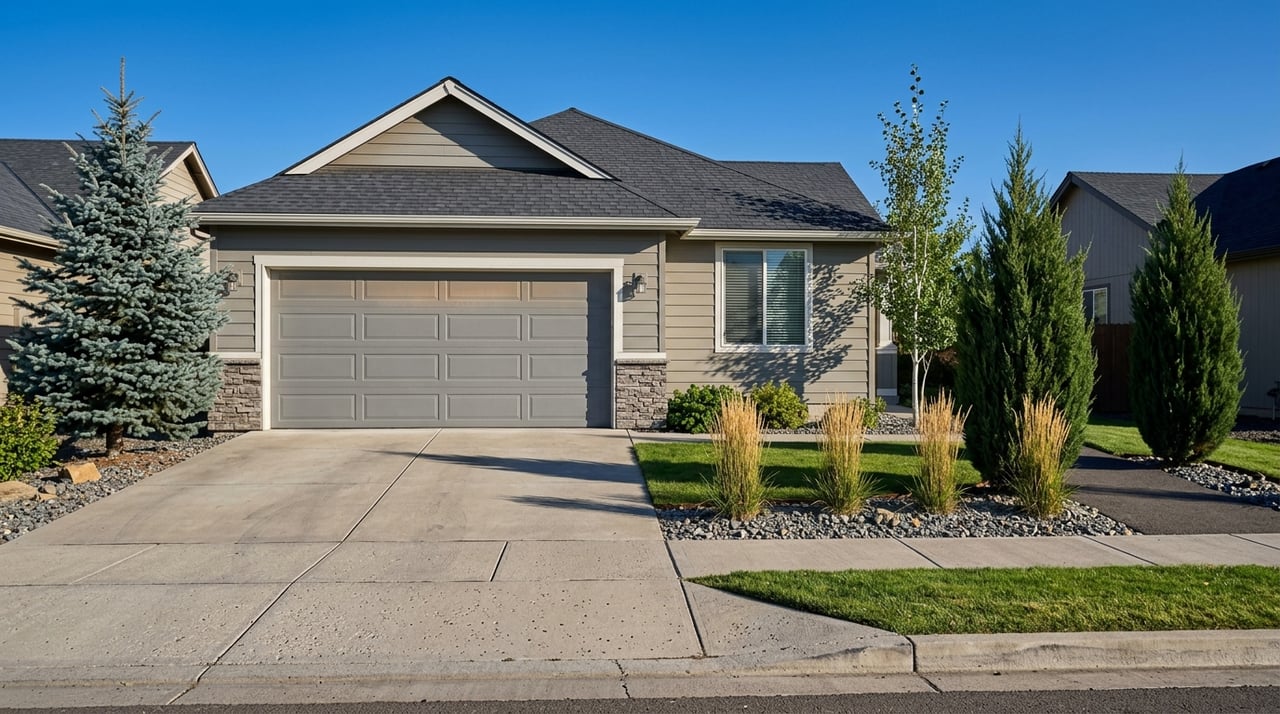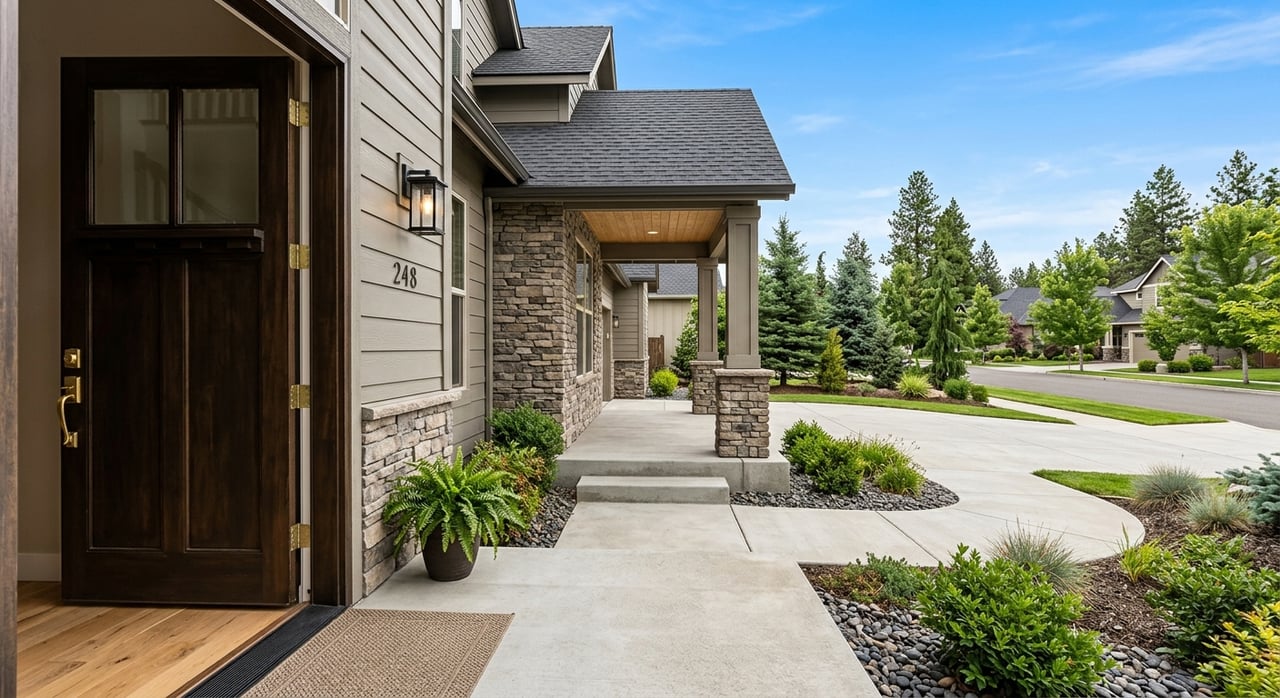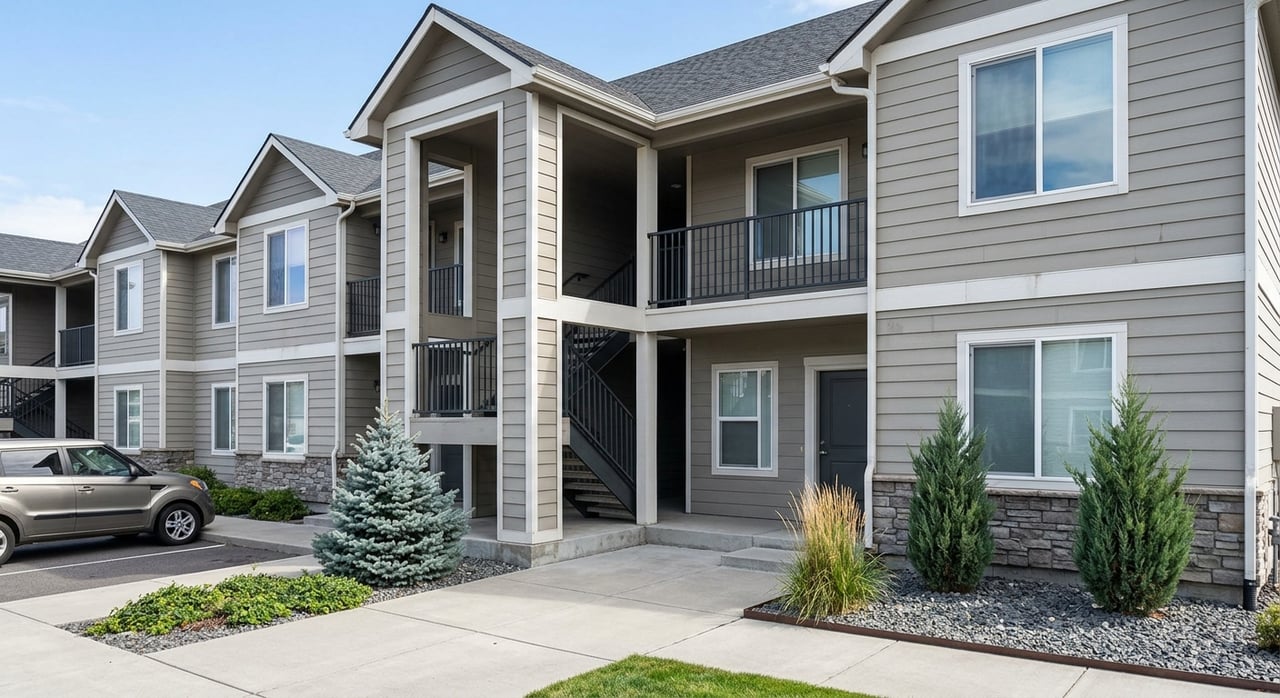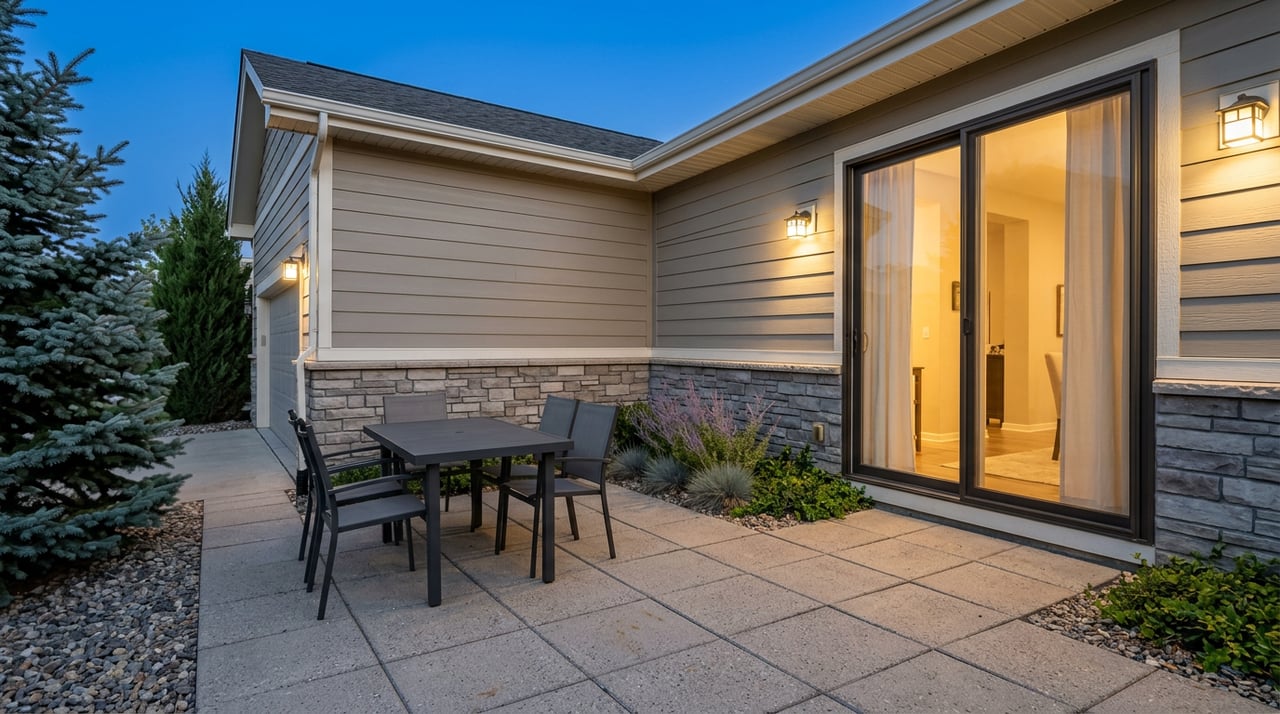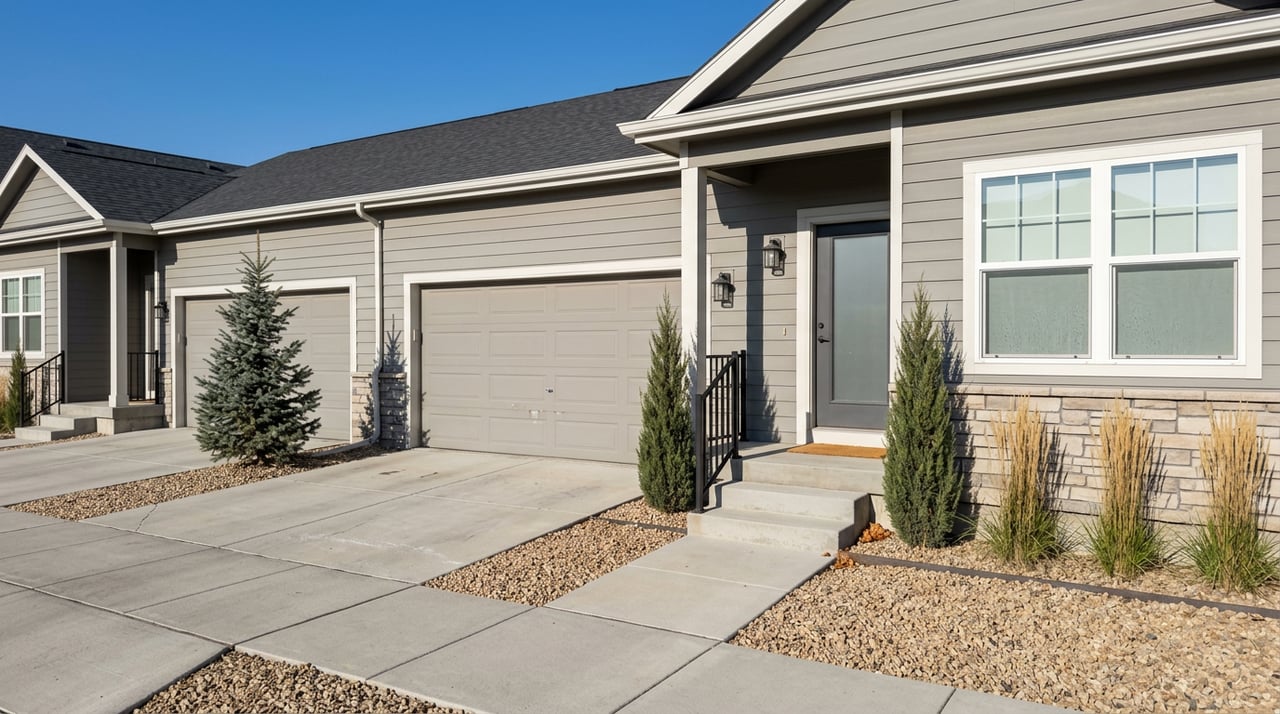
Trying to choose between a townhome and a house in Aurora? You are not alone. Many buyers weigh price, maintenance, HOA rules, and lifestyle before they decide. In this guide, you will get a clear side-by-side look at costs, responsibilities, financing watch-outs, and everyday trade-offs in Aurora’s Arapahoe County neighborhoods so you can move forward with confidence. Let’s dive in.
Aurora market snapshot
Aurora’s citywide median sale price has been hovering around the mid‑$400s. Recent snapshots show roughly 449,950 dollars (Redfin, January 2026), about 454,389 dollars (Zillow, data through January 31, 2026), and about 445,000 dollars (Realtor.com, December 2025). Medians move month to month, so use these as a general frame.
Neighborhoods vary. Some established townhome and condo areas show prices below the city median, while newer single‑family neighborhoods, including parts of the 80016 zip code, often trend higher. Focus on the zip or neighborhood you prefer and compare recent sales to get a realistic budget.
Cost comparison at a glance
Upfront price and financing
- Purchase price: Attached townhomes in Aurora often list below comparable detached homes in the same area because of smaller land component and size. Many recent townhome listings have ranged from the low 300s to mid 400s, while single‑family homes commonly list at or above the city median, depending on the neighborhood and condition.
- Project eligibility: For condos and many townhomes, lenders review the entire project for conventional loans. If a community is flagged as not warrantable because of things like low reserves, litigation, or excessive commercial space, your loan options may narrow or require more down. See recent updates on project policy in this overview from HousingWire.
Monthly cost worksheet
Build your monthly number using these pieces:
- Mortgage principal and interest
- Property taxes for the address
- Homeowners or condo insurance
- HOA dues, if applicable
- Maintenance and reserves for repairs
- Utilities and any special district fees
For taxes, start with the Arapahoe County Treasurer’s property tax guidance. Effective tax rates in parts of Aurora are often under 1 percent of market value, but rates vary by taxing district, so always check the county page or a specific property’s bill.
For maintenance, a common rule of thumb is to budget about 1 to 3 percent of the home’s value per year, or roughly 1 dollar per square foot, adjusting for age and condition. You can review these guidelines in Investopedia’s maintenance budget explainer.
HOA dues in Aurora townhome communities vary widely. Recent examples in local listings show ranges from about 245 dollars per month to 458 dollars per month, with some communities higher depending on amenities. Dues may cover exterior maintenance, snow removal, water and trash, or partial utilities. Always verify what is included.
Insurance differs by property type. Single‑family homes typically use an HO‑3 policy. Condos and many townhomes use an HO‑6 policy because the association’s master policy covers exterior and common areas. An HO‑6 can fill interior gaps and add loss‑assessment coverage. Learn what HO‑6 covers in this NerdWallet guide.
Ownership and maintenance
Townhome responsibilities
In many Aurora townhome communities, the HOA handles roof, exterior siding or paint, and common‑area upkeep. Some also manage snow removal and landscaping. That said, every community is different. Read the CC&Rs to confirm which items are association responsibilities versus owner responsibilities. Before you commit, request the full resale packet and study the budget, reserve study, insurance declarations, and any special assessments. The Community Associations Institute outlines what to review in a resale packet; you can see a helpful overview from CAI.
Single‑family responsibilities
With a detached house, you typically manage your own roof, exterior, yard, and snow removal. You also set your own standards for landscaping and improvements. The trade‑off is more control and privacy with the expectation of higher maintenance time and cost. Build a realistic annual budget for repairs, seasonal upkeep, and system replacements.
Financing watch‑outs for attached homes
Attached product financing sometimes depends on the project’s status. A warrantable townhome or condo project usually qualifies for standard conventional loans. If a project has unresolved critical repairs, large special assessments, or other risk factors, it may not be eligible for sale to Fannie Mae or Freddie Mac, which can affect rate, down payment, and lender options. Industry updates detail how lenders evaluate these projects; see the high‑level guidance in HousingWire’s policy coverage and lender reminders from Pennymac.
Action step: Ask your lender early whether the specific community is warrantable and what that means for your loan options.
Lifestyle trade‑offs in Aurora
Townhome pros and cons
Pros:
- Often a lower entry price compared to nearby single‑family homes
- Less exterior maintenance, sometimes with snow removal and landscaping handled
- Frequently includes an attached garage and proximity to amenities
Cons:
- Shared walls and typically smaller private outdoor areas
- HOA rules on pets, exterior changes, and rentals
- Monthly dues and the possibility of special assessments
Single‑family pros and cons
Pros:
- Private yard, more space, and greater control over exterior upgrades
- Fewer shared governance issues
- Flexible use of outdoor areas for play, gardening, or storage
Cons:
- Higher purchase price in many neighborhoods
- You handle exterior maintenance and yard care
- Larger systems and structures can mean higher repair costs
Quick buyer checklists
If you are leaning toward a townhome
- Request the HOA resale packet: CC&Rs, bylaws, rules, budget, last 2 to 3 years financials, reserve study, insurance declarations, recent board minutes, and any special assessments. Use this CAI overview as a guide.
- Confirm exactly what dues cover: exterior, roof, snow removal, landscape, water, and trash.
- Ask your lender if the project is warrantable and how that affects down payment and rate. For context on lender project reviews, see Pennymac’s bulletin.
- Bring the HOA master policy to your insurance agent and size the right HO‑6 policy with loss‑assessment coverage. Learn the basics in this NerdWallet HO‑6 explainer.
If you are leaning toward a house
- Budget for maintenance using the 1 to 3 percent rule or the 1 dollar per square foot guide. See Investopedia’s overview.
- Confirm lot lines, fence ownership, easements, and any shared maintenance agreements.
- Ask the seller for the history of major systems: roof, HVAC, water heater, and foundation work.
- Check commute patterns and, if schools are a factor, verify boundaries directly with the district. Start with Aurora Public Schools for district information.
- Use the Arapahoe County Treasurer’s page to review property tax details by address.
Example Aurora buyer scenarios
Scenario A: Budget‑conscious first‑time buyer. Target price 300,000 to 380,000 dollars. A townhome could lower your entry price and lighten exterior maintenance. Key steps: verify HOA dues and what they include, check reserves and any planned assessments, and confirm rental rules if you may rent later. Many local townhomes show dues in the mid‑200s to mid‑400s per month, so build that into your monthly plan.
Scenario B: Young household wanting a yard. Target price 450,000 to 650,000 dollars. A single‑family home often brings a private yard and fewer shared rules. Trade‑offs include higher maintenance, a larger insurance policy, and potentially higher taxes. Review recent sales in your target zip and weigh yard size, garage capacity, and commute route alongside your monthly budget.
Scenario C: Low‑maintenance priority. If travel or flexibility matters, a townhome with exterior maintenance and snow removal covered can help. Confirm the HOA’s reserve study to reduce the risk of large assessments and review any rental or pet rules that might affect your plans.
How Ken helps you decide
You deserve a clear, low‑stress path to the right home. As a Denver‑Metro advisor focused on Aurora and the southeast suburbs, Ken pairs hands‑on guidance with data so you understand price, HOA health, financing, and total monthly costs before you write an offer. Whether you are choosing a lower‑maintenance townhome or a detached home with room to grow, you will get responsive communication, practical options, and a smooth process from search through closing.
Ready to compare specific neighborhoods and homes side by side? Schedule a quick planning call with Ken Posen - Compass to map your best next step.
FAQs
What is a warrantable condo or townhome in Aurora?
- A project is warrantable when it meets Fannie Mae or Freddie Mac guidelines so buyers can use standard conventional loans; ask your lender to confirm status and see policy context in HousingWire’s overview.
How do HOA dues affect affordability for townhomes?
- Dues directly increase your monthly cost and may replace some out‑of‑pocket maintenance; verify what they cover and review the HOA’s budget and reserves to assess the risk of future increases or assessments.
How should I budget maintenance for a single‑family home?
- A common approach is 1 to 3 percent of home value per year, or about 1 dollar per square foot, adjusted for age, condition, and climate; see Investopedia’s guide.
What property tax rate should I expect in Arapahoe County?
- Effective rates are often under 1 percent of market value but vary by taxing district; estimate at the address level using the Arapahoe County Treasurer’s page.
Does a townhome require different insurance than a house?
- Yes. Many townhomes and condos use an HO‑6 policy that pairs with the HOA’s master policy, while detached homes typically use an HO‑3; learn HO‑6 basics in this NerdWallet explainer.