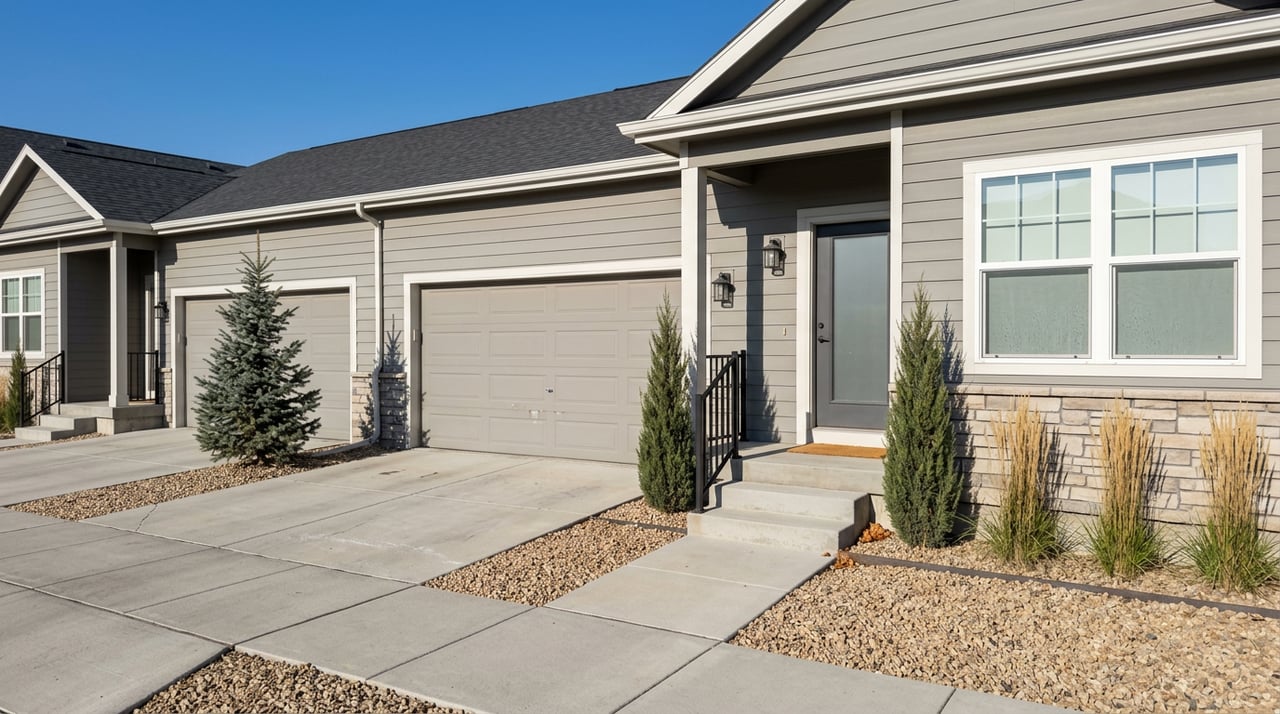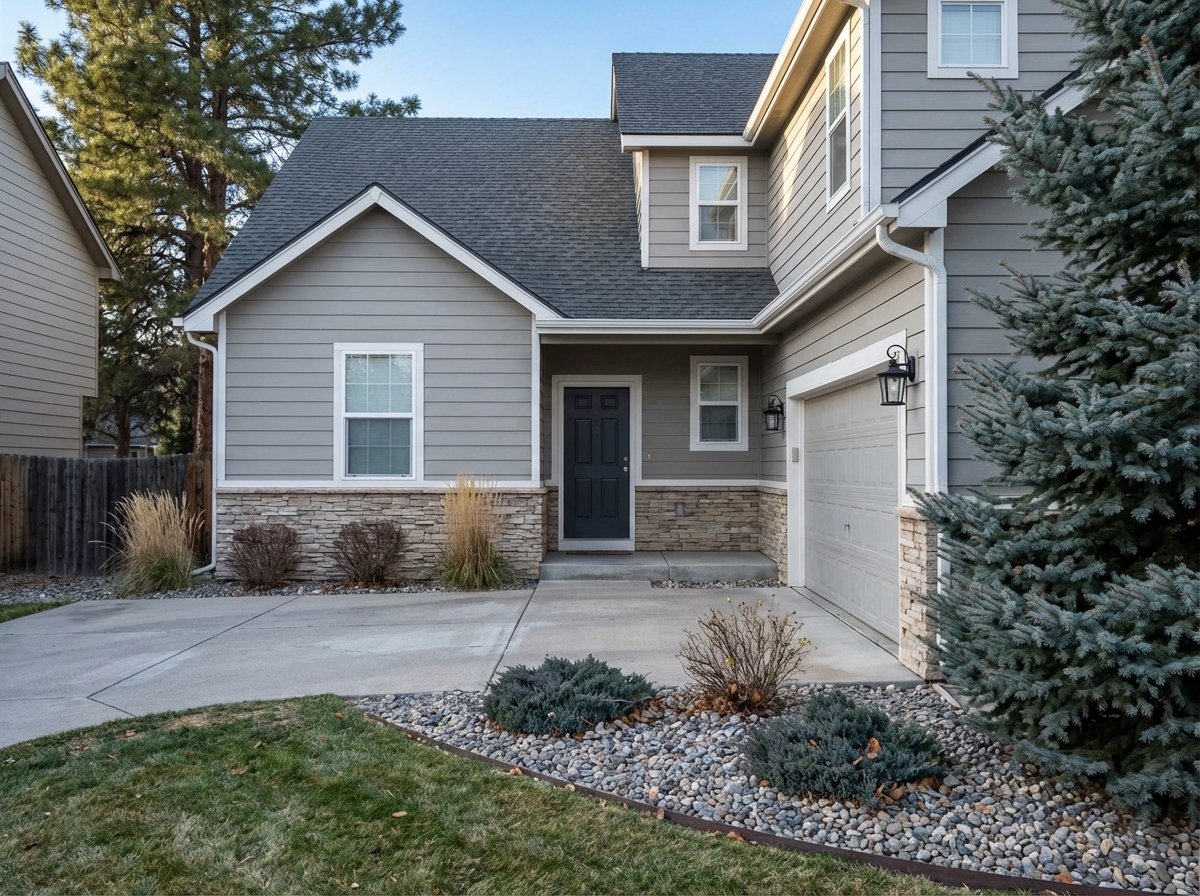
Are you worried your Greenwood Village home might not appraise for your contract price? You are not alone. In competitive pockets near the Denver Tech Center, multiple offers can push prices faster than recent sales support. In this guide, you will learn what an appraisal gap is, why it happens locally, how buyers cover gaps, and the steps to take if an appraisal comes in low. Let’s dive in.
What an appraisal gap means
An appraisal gap happens when the appraised value is lower than the agreed purchase price. Lenders base your loan amount on the appraised value, not the contract price, which creates a shortfall you must address to close.
- If the appraisal comes in low, the lender will fund up to the maximum loan-to-value using the appraised number. You either bring extra cash or renegotiate the price and terms.
- An escalation clause raises your offer to beat competing bids, but it does not solve a low appraisal.
- An appraisal contingency lets you cancel or renegotiate if the value is low. A waiver or appraisal gap guarantee accepts some or all of the risk and commits your cash to cover a shortfall.
Why gaps happen in Greenwood Village
Appraisals can lag behind the market, especially in areas with tight inventory and strong buyer demand.
- Rapid price movement: Multiple-offer situations can push contract prices above recent closed sales in Greenwood Village and the DTC submarket.
- Limited comparable sales: Unique or high-end homes on larger lots, with luxury renovations, or new construction often lack true comps nearby, which forces appraisers to adjust conservatively.
- Timing differences: Your offer reflects today’s competition. Appraisers rely on closed sales from prior weeks or months.
- Condition and finishes: Buyers may pay a premium for upgrades that appraisers treat as over-improvements relative to neighborhood norms.
- Location and parcel factors: Proximity to the DTC, open space, traffic corridors, or boundaries for local schools can influence value and complicate comp selection.
- Data and process issues: Public record errors on square footage, lot size, or permits can affect the report. Busy periods can also stretch appraiser capacity and review times.
Ways to cover an appraisal gap
Before offering, talk with your lender and agent so your strategy fits your loan program and budget.
Appraisal gap guarantee (AGG)
You commit in writing to bring extra cash to cover some or all of a shortfall between the appraised value and the contract price.
- Common versions include a flat dollar cap, a percentage of the price, or unlimited coverage. Unlimited is rare and risky.
- Pros: Stronger offer signal to sellers in competitive situations.
- Cons: You must have documented funds. The loan amount does not increase because of an AGG.
Limited waiver of appraisal contingency
You waive the right to cancel solely due to a low appraisal, often up to a defined cap.
- Pros: Very competitive in multiple-offer scenarios.
- Cons: Higher risk to you. Check with your lender on whether your loan type allows this structure.
Larger earnest money and more cash to close
Boosting earnest money can signal strength and help cover small shortfalls.
- Pros: Simple way to stand out without changing loan terms.
- Cons: If you waive contingencies and cannot close, your deposit could be at risk.
Pay the gap at closing
If you have liquidity, you can bring additional cash equal to the shortfall.
- Pros: Straightforward if funds are available.
- Cons: Reduces your cash reserves for improvements or emergencies.
Escalation clause plus later negotiation
Use an escalation clause to win. If the appraisal is low, try to renegotiate price or request seller concessions.
- Pros: Keeps options open.
- Cons: Not guaranteed. The seller may resist changes if there were strong backups.
Financing alternatives
Bridge loans or private/jumbo lenders can sometimes help close when cash is tight.
- Pros: May keep your deal intact in a tight window.
- Cons: More complex and often higher cost. Requires lender approval.
Program-specific notes
- Conventional loans follow enterprise appraisal guidance. The lender still bases the loan on the appraised value even if you waive the contingency.
- FHA and VA appraisals have program-specific rules. You might not be able to waive appraisal requirements. Confirm details with your loan officer early.
What to do when the appraisal is low
A calm, structured response can save your deal and your budget.
Step 1: Review the report for errors
Start with a factual check.
- Verify square footage, bed/bath count, lot size, condition, and property type.
- Look for missed or outdated comps. If you find issues, ask your lender to request a correction or reconsideration with supporting documents.
- The listing side can assemble a comp packet that includes relevant recent sales, pending deals, upgrades, permits, and receipts.
Step 2: Request reconsideration through the lender
You cannot contact the appraiser directly. Your lender has a review process.
- Provide additional comps, market context, and proof of any factual errors.
- The lender may order a desk review or a second appraisal. Expect added time and possible fees.
Step 3: Negotiate options with the seller
You have several paths forward, and you can combine them.
- Price reduction to appraised value to keep the loan intact.
- Buyer pays some or all of the gap in cash, per any prior appraisal gap guarantee.
- Split the difference, with a price change and some extra buyer cash.
- Seller credits or concessions if allowed by your loan program. Note that credits can reduce the loan amount.
- If your contract allows, mutual termination and a fresh start.
Step 4: Document and coordinate with the lender
Keep the paper trail clean and deadlines top of mind.
- Any price changes, credits, or added buyer funds must be in a signed contract amendment.
- The lender will need proof of funds for any extra cash you bring.
- Reviews and second appraisals can take 3 to 10 business days, and many purchase contracts have tight appraisal and loan objection deadlines. Move quickly.
Smart planning for Greenwood Village
Preparation gives you flexibility when the market moves fast.
For buyers
- Confirm liquidity. Set aside a realistic reserve for potential gaps. Many buyers plan for a few percent of the price, based on risk tolerance and price point.
- Align strategy with your loan program. Ask your lender if you can limit or waive the appraisal contingency and what proof of funds is required.
- Balance risk and reward. Strong terms help you win, but do not assume the appraisal will match your bid.
- Get pricing guidance before offering. A current market analysis grounded in local comps helps you choose the right offer structure.
For move-up sellers
- Expect appraisal scrutiny on high-end or unique homes. Prepare an upgrades list, permits, warranties, and contractor receipts in advance.
- If you accept an offer with an appraisal gap guarantee or waiver, verify the buyer’s proof of funds and confirm the scope of any waiver.
- Consider pricing and backup offers. The right positioning can reduce the chance of a failed deal due to a shortfall while still maximizing your outcome.
Work with local expertise
Greenwood Village has micro-markets influenced by proximity to the DTC, parks and open space, and local school boundaries. A local agent who tracks these nuances can anticipate appraisal outcomes, advise on appraisal-friendly pricing, and structure offers that protect you while keeping you competitive.
Bottom line
Appraisal gaps are common when the market heats up in Greenwood Village. If you plan ahead, align with your lender, and respond methodically when a value comes in low, you can reduce stress and keep your goals on track. Whether you are buying, selling, or doing both, the right strategy helps you win the house and protect your budget.
Ready for a plan tailored to your situation? Connect with Ken Posen - Compass for clear guidance, calm negotiations, and a strategy that fits your numbers.
FAQs
What is an appraisal gap and why does it matter?
- An appraisal gap is the difference between a lower appraised value and a higher contract price, which reduces how much your lender will fund and may require extra cash or a price change.
Why are appraisal gaps seen in Greenwood Village?
- Competitive offers, limited comparable sales for unique or luxury homes, timing differences between contracts and closed comps, and parcel-specific factors near the DTC can all lead to lower appraisals.
Can I waive the appraisal with FHA or VA financing?
- FHA and VA have program-specific appraisal rules, so you may not be able to waive appraisal requirements; confirm options with your loan officer before you offer.
How does an appraisal gap guarantee differ from an escalation clause?
- An appraisal gap guarantee promises extra buyer cash if the appraisal is low, while an escalation clause only raises your offer to beat another bid and does not address a short appraisal.
What happens to my earnest money if I waive the appraisal contingency?
- If you waive the appraisal contingency and cannot close due to a low value, your earnest money could be at risk depending on your contract terms.
How long does an appraisal reconsideration usually take?
- Lender reviews, desk reviews, or second appraisals often add 3 to 10 business days, so act quickly and watch your contract deadlines.